
On August 12, 2026, the CACA-ISOPT Anti-Cancer Summit was successfully held, co-hosted by China Anti-Cancer Association (CACA), International Society of Oncology Prevention and Treatments (ISOPT), and World Association for Integrative Oncology. The webinar was broadcast live online in both Chinese and English, attracting viewers from countries including China, the United States, Canada, Russia, Mexico, Cuba, Jamaica, Haiti, and Thailand.
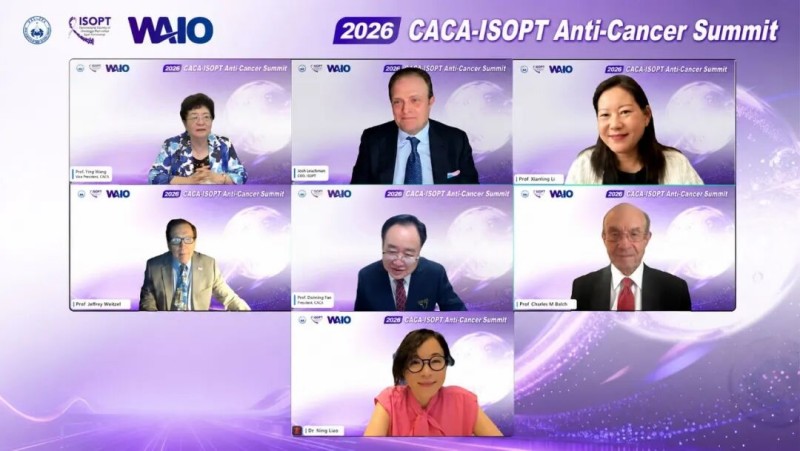
The summit featured opening remarks by Prof. Ying Wang, Vice President of CACA, and Prof. Charles Balch, President of ISOPT, and was co-moderated by Prof. Xiaoling Li from CACA's Professional Committee on Cancer Vaccine and Josh Leachman, Chief Operating Officer of ISOPT.
Keynote Speeches: From Integration to Precision – Four Experts Outline New Paradigms in Cancer Care
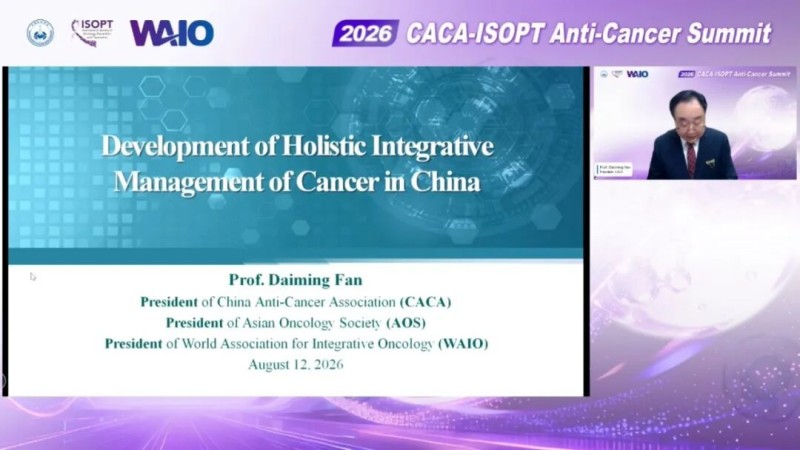
Prof. Daiming Fan, President of CACA, delivered a presentation titled "Development of Holistic Integrative Management of Cancer in China." He systematically elaborated on the innovative concepts of Holistic Integrative Management (HIM) in oncology, proposing the core tenet of "united efforts, universal benefit, and lifelong commitment." He shared CACA's practical explorations in implementing integrative management and highlighted the CACA Guidelines for HIM of Cancer, which are tailored to China's national conditions.
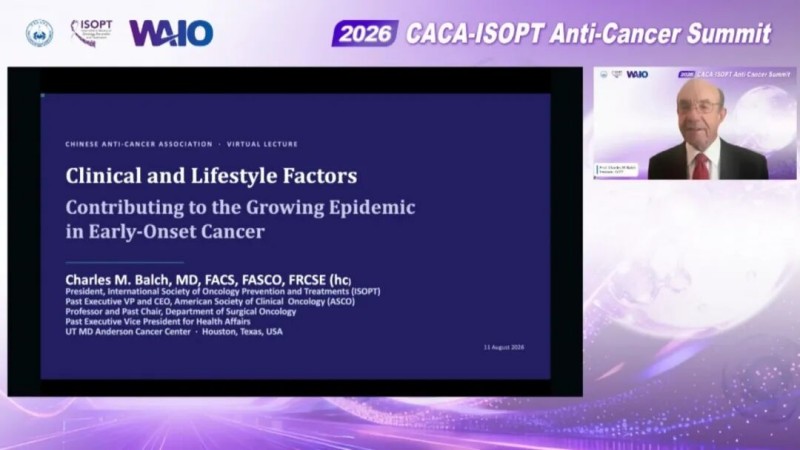
Prof. Charles Balch, President of ISOPT, spoke on "Clinical and Life-Style Factors Contributing to the Growing Epidemic in Early onset Cancer." He revealed the critical impact of modifiable factors such as modern diets, sedentary behavior, and environmental exposures on the increasing rates of early-onset cancers, and emphasized the decisive importance of early diagnosis. Prof. Balch strongly endorsed Prof. Fan's integrative approach to cancer prevention and treatment and expressed anticipation for deepened collaboration between the two organizations to advance global cancer control.
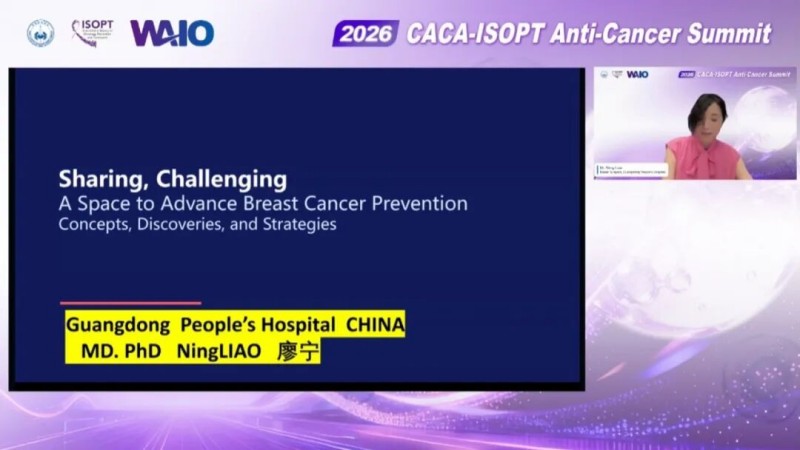
Prof. Ning Liao, Chief of Breast Surgery at Guangdong Provincial People's Hospital, presented on "Sharing, Challenges – A Space to Advance Breast Cancer Prevention Concepts, Discoveries, and Strategies." She reviewed the latest global advances in breast cancer prevention and shared her experience in individualized risk-stratified management based on multi-center data from China.
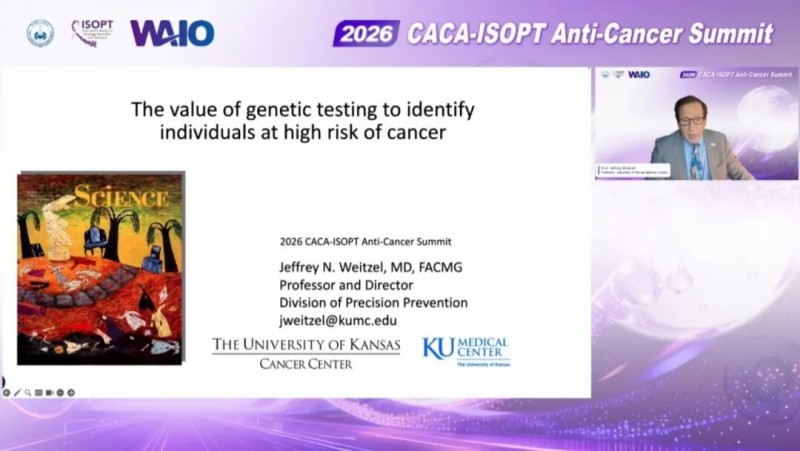
Prof. Jeffrey Weitzel from the University of Kansas Medical Center addressed "The Value of Genetic Testing to Identify High-Risk Individuals for Cancer Prevention and Early Detection." He systematically outlined the clinical application pathways of polygenic risk scores and germline mutation testing in familial cancer syndromes.
Virtual Dialogue: Cross-Border Collaboration to Build a United Front Against Cancer
During the roundtable discussion, experts exchanged views on a range of topics, including the synergistic integration of genetic testing and lifestyle interventions, precision stratified screening for high-risk populations, and the unique value of traditional Chinese medicine in cancer prevention and control. The experts unanimously agreed that the diagnostic and therapeutic approach should shift from a "disease-centered" to a "patient-centered" model. They jointly called for enhanced cross-border collaboration, mutual recognition of guidelines, and resource sharing to narrow the cancer prevention and treatment gaps between different regions.
This summit marked the first collaborative meeting between CACA and ISOPT since the establishment of their partnership. It not only showcased China's innovative practices in the field of integrative oncology but also incorporated ISOPT's international experience in precision prevention, risk-stratified screening, and the development of multilingual educational platforms. The conference provided new ideas and a new platform for global anti-cancer cooperation. Looking ahead, both parties will use this summit as a starting point to deepen mutual learning and resource integration, accelerate the translation of integrative medicine from academic consensus to clinical practice, and jointly build a more resilient global framework for cancer prevention and control.

